
Healthy Food: A Complete Guide to Eating Smart and Living Better
Healthy food is not about strict diets or giving up your favourite meals. It is about making smart food choices that nourish your body, improve your energy levels, and support long-term wellness. In today’s fast-paced lifestyle, maintaining a healthy diet has become more important than ever.
This guide will help you understand what healthy food really means, why it matters, and how you can easily include it in your daily routine.
What is Healthy Food?
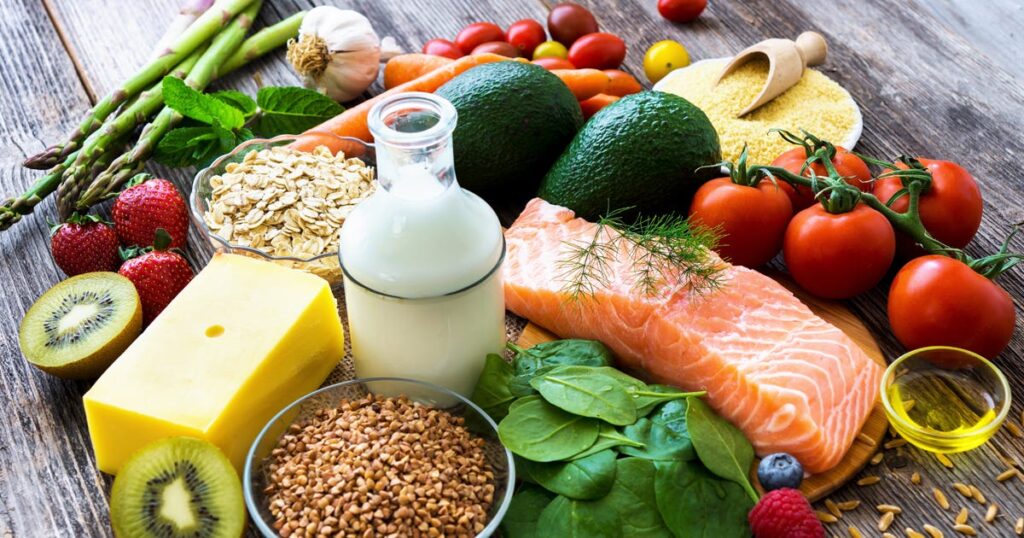
Healthy food refers to natural, nutrient-dense foods that provide the body with essential vitamins, minerals, proteins, carbohydrates, healthy fats, and fiber. These nutrients are necessary for maintaining energy, supporting growth, strengthening immunity, and preventing diseases.
In simple words, healthy food is any food that nourishes your body without causing harm. It supports both physical and mental well-being and helps maintain a balanced lifestyle. Healthy eating does not mean starving yourself or following strict diet plans. Instead, it focuses on consuming balanced meals that include a variety of food groups in the right proportions.
The Core Principle of Healthy Food
The main idea behind healthy food is balance. Your body requires different nutrients to function properly, and no single food can provide everything. A healthy diet includes:
- Carbohydrates for energy
- Proteins for muscle repair and growth
- Healthy fats for brain and heart health
- Vitamins and minerals for immunity and body functions
- Fiber for better digestion
When these nutrients are consumed in proper amounts, your body works efficiently and stays strong.
Benefits of Eating Healthy Food
Healthy eating is not just about preventing diseases. It also improves your daily life, productivity, and long-term well-being. When you consistently follow a balanced diet, the positive effects become visible both internally and externally.
1. Boosts Energy Levels
Healthy food provides your body with complex carbohydrates, quality proteins, and essential nutrients that release energy slowly and steadily. This helps you stay active and focused throughout the day without feeling tired. Unlike sugary or processed foods, nutritious meals prevent sudden spikes and crashes in energy levels. As a result, you experience better productivity and improved overall performance.
2. Strengthens the Immune System
Eating healthy food provides essential nutrients like vitamins, minerals, and antioxidants that help your body defend against infections. These nutrients support the production of immune cells and improve your body’s natural defence system. A balanced diet also reduces inflammation and promotes faster recovery. Over time, healthy eating builds stronger immunity and overall resilience.
3. Supports Weight Management
Healthy eating helps you maintain a balanced calorie intake without feeling deprived. Nutrient-dense foods keep you full for longer, reducing unnecessary snacking and overeating. A diet rich in fiber and protein also supports a healthy metabolism. Over time, consistent healthy food choices help manage weight naturally and reduce the risk of obesity-related health problems.
4. Improves Mental Health
A balanced diet provides essential nutrients that support brain function and cognitive performance. Foods rich in healthy fats, vitamins, and minerals help improve memory, focus, and concentration. Proper nutrition also plays a role in stabilizing mood and reducing stress levels. Over time, healthy eating contributes to better emotional well-being and mental clarity.
5. Reduces Risk of Chronic Diseases
Regularly consuming healthy food helps control blood sugar levels, cholesterol, and blood pressure. Nutrient-rich meals reduce inflammation and support overall heart health. A balanced diet lowers the risk of developing chronic conditions such as diabetes, heart disease, and hypertension. Maintaining healthy eating habits is one of the most effective ways to protect long-term health.
6. Improves Digestion
Healthy food that is rich in fiber, such as fruits, vegetables, and whole grains, supports a strong digestive system. Fiber helps regulate bowel movements, prevents constipation, and promotes the growth of healthy gut bacteria. A well-functioning digestive system allows your body to absorb nutrients more effectively.
7. Enhances Skin Health
Your diet directly affects your skin. Nutrient-rich foods containing vitamins, antioxidants, and healthy fats help maintain clear, glowing skin. Proper hydration combined with a healthy diet can reduce dryness, acne, and premature aging. When your body receives the right nutrients, it naturally reflects on your skin.
8. Supports Heart Health
A balanced diet that includes healthy fats, lean proteins, and fiber helps maintain good cholesterol levels. Reducing processed foods and excessive salt intake supports stable blood pressure and better heart function. Over time, healthy eating habits contribute to a stronger cardiovascular system.
9. Improves Sleep Quality
Healthy food choices can positively influence your sleep patterns. Avoiding heavy, processed meals late at night and including magnesium-rich foods, whole grains, and proteins can help regulate sleep cycles. Good nutrition supports hormonal balance, which plays a key role in restful sleep.
10. Promotes Long-Term Longevity
One of the greatest benefits of eating healthy food is long-term health protection. Consistent healthy eating habits reduce inflammation, strengthen immunity, and protect against lifestyle-related diseases. Over time, this contributes to a longer and healthier life.
Essential Components of a Healthy Diet
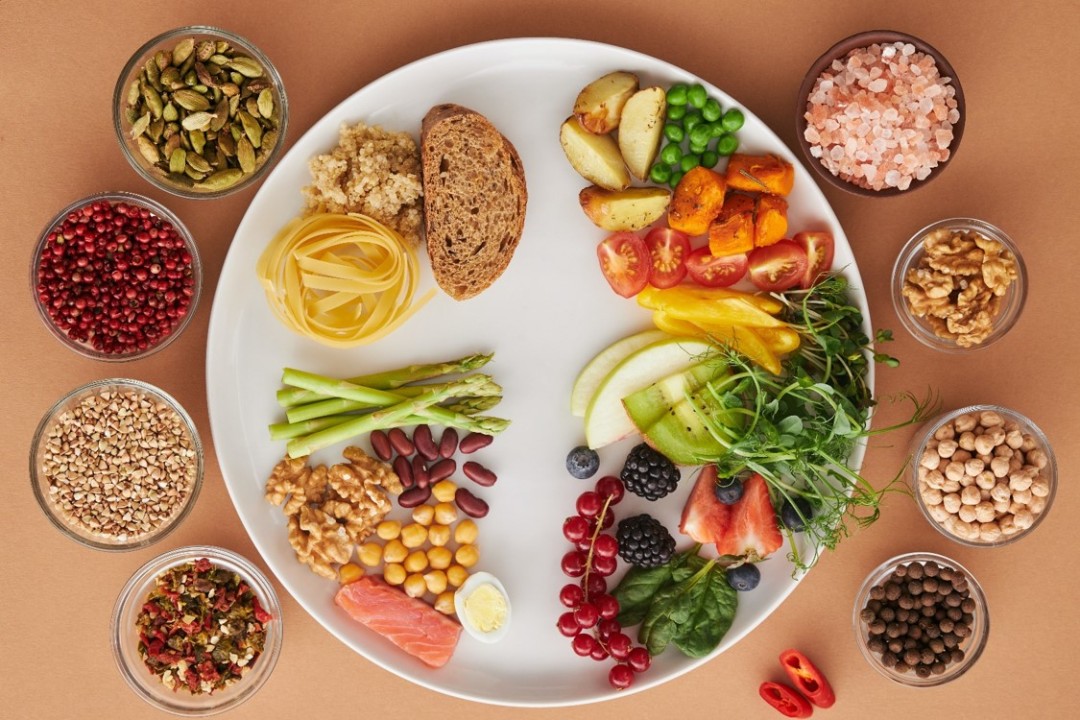
A healthy diet is built on balance and variety. Your body needs a combination of different nutrients to function properly, and each food group plays a unique role in maintaining overall health. Including the right components in your daily meals ensures better energy, stronger immunity, and long-term wellness.
Fresh Fruits and Vegetables
Fruits and vegetables are the foundation of a healthy diet. They are rich in fibre, vitamins, minerals, and powerful antioxidants that protect the body from damage. Regular consumption supports digestion, boosts immunity, and promotes healthy skin. Including a variety of colourful vegetables and seasonal fruits ensures that your body receives a wide range of essential nutrients.
Whole Grains
Whole grains such as brown rice, oats, millets, and whole wheat are excellent sources of fiber and complex carbohydrates. Unlike refined grains, they digest slowly and provide steady energy throughout the day. Whole grains also support heart health and improve digestive function. Replacing refined flour with whole-grain options is a simple yet powerful dietary change.
Lean Proteins
Protein is essential for muscle repair, tissue growth, and overall body strength. Lean protein sources like beans, lentils, eggs, fish, tofu, and lean meats provide high-quality nutrition without excess unhealthy fats. Adequate protein intake also helps in maintaining a healthy metabolism and keeping you full for longer periods.
Healthy Fats
Healthy fats are important for brain function, hormone balance, and heart health. Sources such as nuts, seeds, avocados, and olive oil provide essential fatty acids that the body cannot produce on its own. When consumed in moderation, healthy fats support nutrient absorption and reduce the risk of heart-related issues.
Hydration
Proper hydration is a key component of a healthy lifestyle. Water helps regulate body temperature, improve digestion, and transport nutrients throughout the body. Staying adequately hydrated also enhances energy levels and supports overall physical performance. Drinking enough water daily is just as important as choosing nutritious foods.
Tips to Start Eating Healthy
Making small and practical changes in your daily routine can lead to long-term health benefits. Healthy eating does not require drastic changes overnight. Instead, it begins with simple habits that gradually become part of your lifestyle. By staying consistent and mindful, you can build sustainable eating patterns that support your overall well-being.
Plan Your Meals in Advance
Meal planning helps you make healthier food choices and avoid last-minute unhealthy options. When you prepare a weekly meal plan, you are less likely to rely on fast food or processed snacks. Planning also helps maintain a balanced intake of nutrients throughout the week. It saves time, reduces stress, and supports better portion control.
Reduce Processed and Sugary Foods
Cutting down on processed and sugary foods is one of the most effective ways to improve your diet. These foods often contain excess calories, unhealthy fats, and added sugars with little nutritional value. Replacing sugary drinks and packaged snacks with fruits, nuts, or homemade alternatives can significantly improve your overall health.
Include More Home-Cooked Meals
Home-cooked meals give you better control over ingredients and portion sizes. You can choose fresh, high-quality ingredients and limit unhealthy additives. Cooking at home also encourages balanced meals with proper nutrition. Over time, this habit promotes healthier eating patterns and supports weight management.
Read Food Labels Carefully
Understanding food labels helps you make informed decisions while shopping. Check for added sugars, sodium levels, unhealthy fats, and artificial ingredients. Choosing products with simple and natural ingredients ensures better nutritional value. Being aware of what you consume is an important step toward healthy eating. choosing products with
Practice Portion Control
Even healthy food should be eaten in the right quantities. Eating appropriate portions helps maintain a balanced calorie intake and prevents overeating. Using smaller plates, eating slowly, and paying attention to hunger signals can help manage portion sizes effectively. Balanced portions contribute to sustainable weight management and improved digestion.
Healthy Food for a Better Lifestyle
Adopting healthy food habits improves not only physical health but also overall quality of life. When you eat nutritious meals, you feel more active, focused, and confident. Over time, these habits create a strong foundation for long-term wellness. Instead of following temporary diet trends, focus on building sustainable eating habits. Choose natural foods, maintain balance, and listen to your body’s needs.
Healthy eating is not about perfection or strict dieting. It is about consistency, mindful choices, and maintaining balance. Small daily improvements can lead to big, lasting results in your health journey. Start small, stay consistent, and make healthy food a permanent part of your lifestyle. Your body will thank you for it.
Healthy food while travelling helps you stay energetic, maintain digestion, and enjoy your journey without feeling tired or uncomfortable.